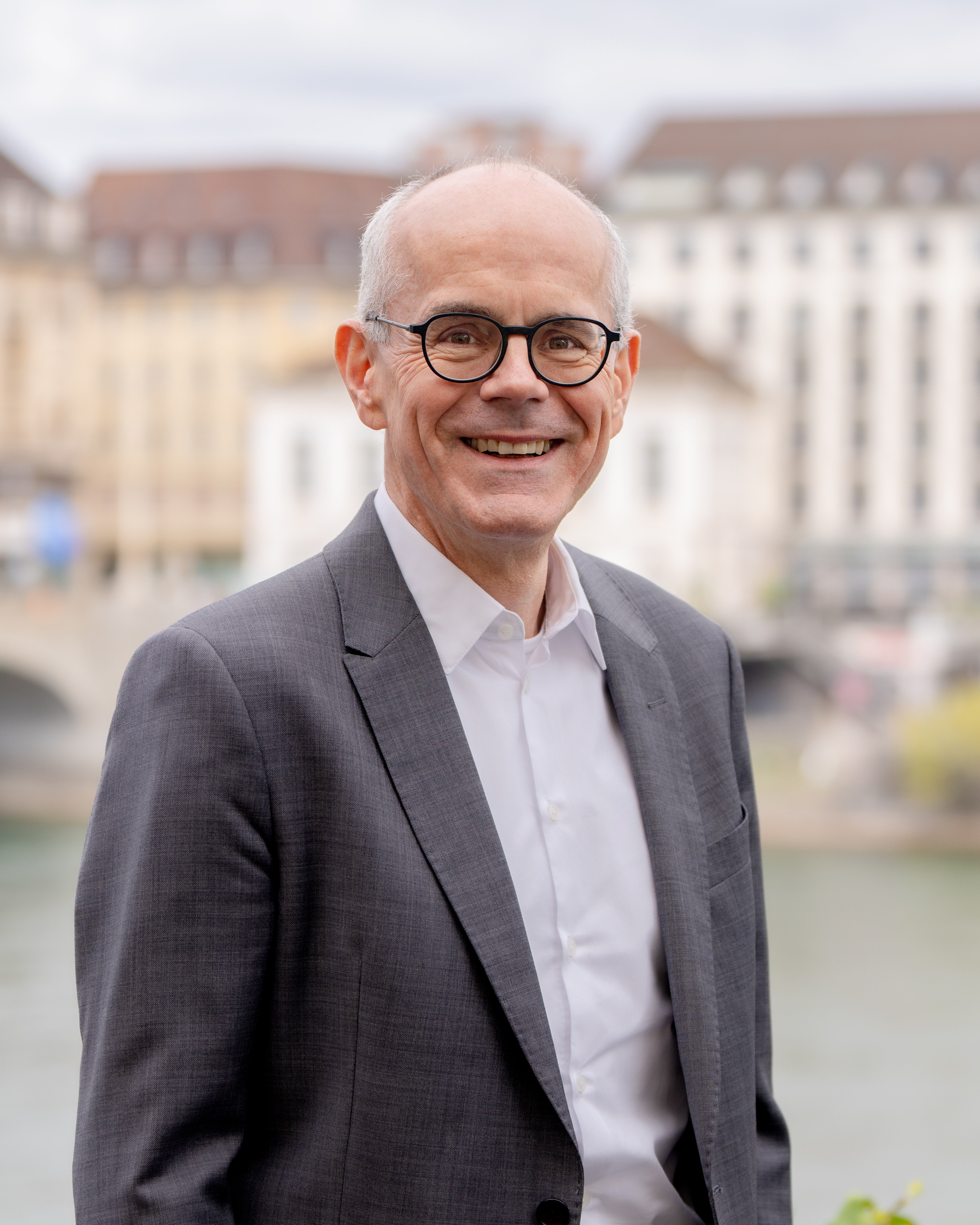
Dr. Marco Vogt
Postdoctoral researcher and lecturer (University of Basel) and co-founder of Polypheny GmbH. Research on multimodel data and heterogeneous workloads; initiator of the Polypheny project.
Modern data ecosystems mix relational tables, JSON documents, graphs, streams, and more—plus both OLTP and OLAP workloads. PolyDBMSs expose one logical DBMS over many models and engines: they accept multiple query languages, plan and route cross-model queries, and blend transactional and analytical processing (HTAP). This tutorial explains the idea, positions it among polystores, multistores, and multi-model DBs, and then puts it into practice with Polypheny.
We start with the landscape—polyglot persistence, multistores, polystores, multi-model DBs—then focus on PolyDBMSs as a unifying approach. We unpack architectural building blocks (catalog, parsers, language mappings, optimizer/routing, transaction and workload management) and show how cross-model, cross-engine execution works. Finally, we run a hands-on session with Polypheny covering data integration, schema design across models, and cross-model queries.
This tutorial is for database and big data practitioners and researchers, including data architects, DBAs, system builders, and data scientists, who need to combine multiple data models, engines, and workloads without gluing systems together manually. Basic familiarity with databases and query languages is sufficient.
This is a 1.5-hour session mixing an overview with a practical demo.
| Time | Topic | Details |
|---|---|---|
| 11:00 | Welcome & tutorial overview | Goals, logistics, tutorial website, and how the two-hour session is structured. |
| 11:10 | Motivation & landscape | Why we need multiple data models and engines, the Gavel example, and the landscape of multi-model DBMSs, polystores, multistores, and HTAP systems. |
| 11:15 | What is a PolyDBMS? | Clear definition of a PolyDBMS, key properties, and how it extends and unifies existing approaches. |
| 11:20 | Schema model and mappings | Exposed, logical, and physical schemas; namespaces; and mappings across relational, document, and graph data, illustrated with the Gavel schema. |
| 11:40 | Query processing and PolyAlgebra | Cross-model query plans, pushdown to underlying engines, and the role of a unified algebra for optimization and execution. |
| 11:55 | Polypheny: a PolyDBMS in practice | Architecture, interfaces, adapters, and the query life cycle in Polypheny, including how it coordinates heterogeneous engines. |
| 12:00 | Other approaches and systems | Overview of related systems such as multi-model DBMSs, polystores/multistores, SQL-on-everything engines, and HTAP databases, and how PolyDBMSs differ. |
| 12:05 | Hands-on: Polypheny | Running Polypheny, exploring the Gavel schema across models, and executing cross-model queries in different query languages. |
| 12:20 | Limitations, future work | When not to use a PolyDBMS, open research questions, pointers to further material, and Q&A. |
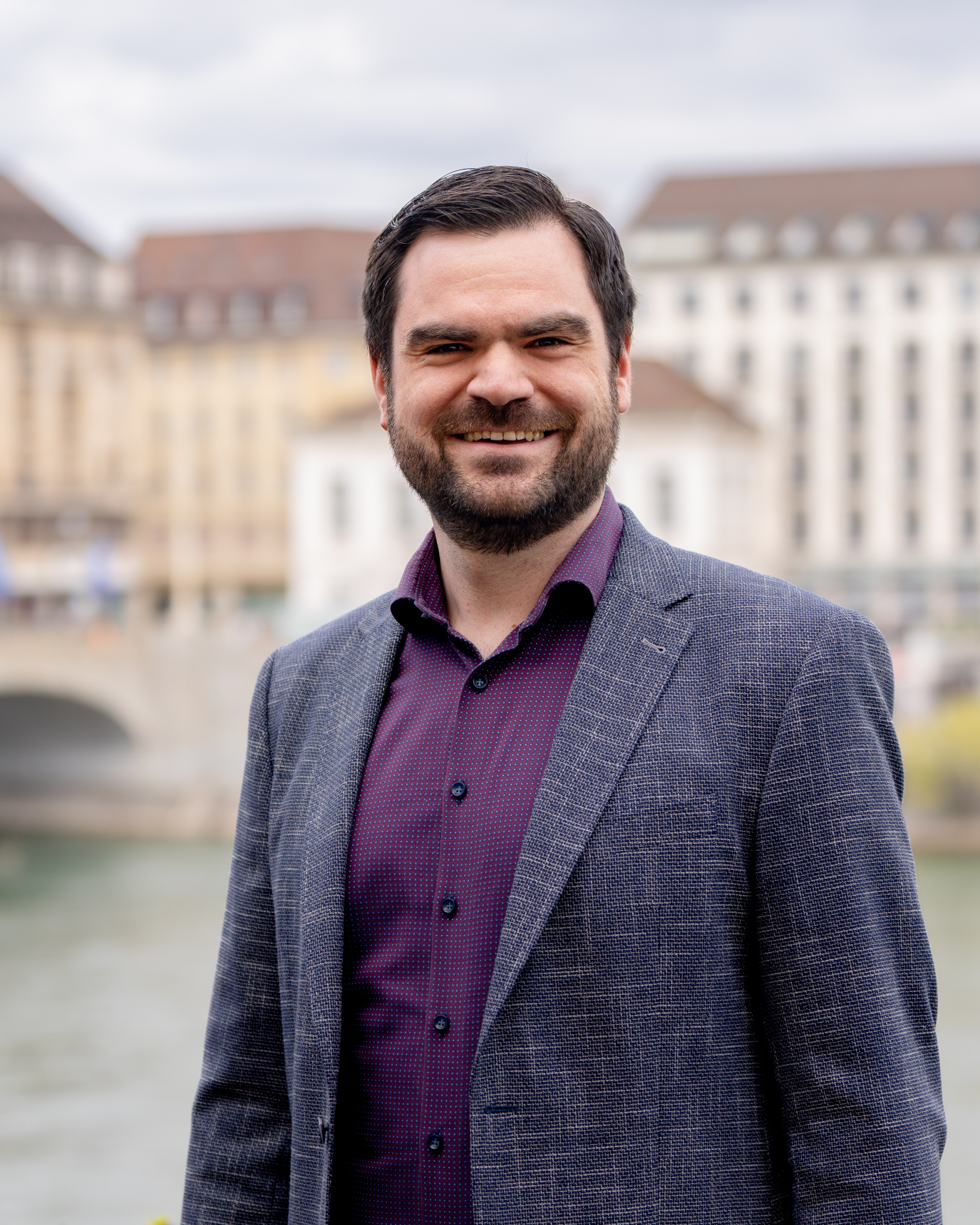
Postdoctoral researcher and lecturer (University of Basel) and co-founder of Polypheny GmbH. Research on multimodel data and heterogeneous workloads; initiator of the Polypheny project.
Full Professor of Computer Science at the University of Basel; leads the Databases and Information Systems group. Research in Big Data Management and (Multimedia) Retrieval.